StealthGPT
Paid
Rewrite AI-generated text through a web interface to reduce detection rates, verify output with a built-in detector, and submit through API or manual copy.
About
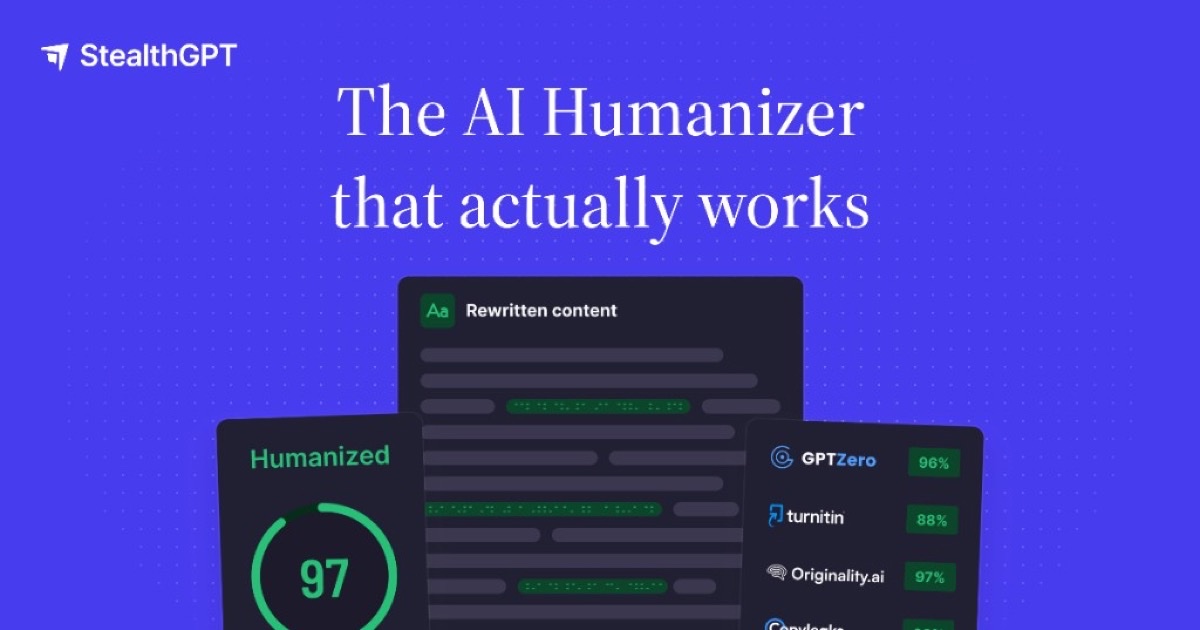
StealthGPT is an AI text humanizer that rewrites content from ChatGPT, Claude, or Gemini to try to fool AI detection tools. It sits in the writing and copywriting space, bundling a humanizer, an AI writer, and a detector under one subscription.
You paste text into a web interface, pick a model, and get rewritten output. The tool targets metrics like perplexity and burstiness—how predictable and varied the text looks—to break patterns detectors flag. It also offers a Chrome extension, iOS app, and MCP integration for Claude and Cursor.
The core tension is right there in the name: marketing promises "stealth" against detectors, but actual tests show hit-or-miss results. Some users pass Turnitin or GPTZero. Others see 86% AI scores or 100% confidence from Originality.ai. Output quality often needs heavy cleanup.
Open it if you need a quick rewrite and will edit heavily. Skip it if you need reliable detection bypass or clean, ready-to-use prose.
Who StealthGPT is best for
It works best when you know exactly what you are getting into.
- Users wanting AI writer and humanizer in one account: You draft and rewrite without juggling subscriptions. The bundle includes essay writing with citations, SEO articles, and social posts.
- People who will use Chrome extension, iOS app and MCP integrations: You move between web, mobile, and inside Claude or Cursor without losing the tool.
- Those whose rules explicitly allow AI-assisted writing with proper disclosure: You use it openly where permitted, not to hide AI use where it is banned.
- Users who don't actually need to bypass serious AI detectors: You stick to basic checks or outdated tools where StealthGPT sometimes works.
- Writers willing to heavily edit output afterward: You treat the rewrite as a rough draft, not a finished product.
- Users who prioritize passing AI detectors over readability: You accept clunky phrasing if it might slip through.
- People processing high volumes where polish matters less: You need quantity fast and will clean up later.
- Teams needing shared subscriptions: You split 3-5 seats on Max or Enterprise plans.
- Students who need Photo-to-Answers functionality: You upload homework screenshots for quick AI-generated responses.
Best things about StealthGPT
These are the parts that keep some users subscribed despite the flaws.
- Two humanizer models with optional fact checks: You pick Super for slower, stronger rewrites or Lite for speed. You can add checks for facts, tone, and hallucination risk before you trust the output.
- Built-in AI detector: You scan up to 200 words free without an account, or check your full rewrite inside the same tool.
- Cross-platform access: You work on web, Chrome extension, iOS app, or inside Claude and Cursor via MCP. The tool follows you across devices.
- Grammarly integration: You fix the broken grammar and awkward phrasing that StealthGPT often produces, without leaving the workflow.
- Flexible billing with weekly option: You pay $6.99/week when you only need it for crunch periods, not commit to a full month.
Why you should ignore it
Skip it when reliability matters or the fit is wrong.
- Serious detector bypass: You need to beat Turnitin, Originality.ai, or GPTZero. Independent tests show 86%, 100%, and 48% AI scores. The marketing overpromises what any humanizer can deliver.
- Clean, ready-to-use output: You expect readable prose. Raw output often needs Grammarly or manual fixing for grammar errors and unnatural phrasing.
- Academic integrity compliance: You need undetectable essays for submission where AI is banned. The tool markets this use case heavily, but it risks misconduct and still fails detectors.
- API access on lower tiers: You need backend integration. API is locked to Enterprise only.
- Free extended use: You want to test thoroughly before paying. The free tier stops at 200-word detector scans. Almost nothing else is free.
- Technical or cited academic writing: You work with field-specific terms or complex citations. The tool swaps synonyms blindly and offers weak citation protection.